Tyre Speed Rating: Understanding Tyre Sidewall Codes
Tyre Speed Rating: Understanding What the Letters Mean
Tyre sidewalls contain a combination of numbers and letters that provide important information about tyre dimensions and performance classifications. One of these markings is the tyre speed rating, which indicates the maximum speed capability assigned to a tyre under specified test conditions.
Understanding this rating can help motorists interpret tyre specifications when replacing an existing set. However, the rating should always be considered together with tyre size, load index and the requirements specified by the vehicle manufacturer.
Where Can You Find the Speed Rating?
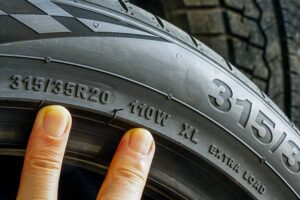
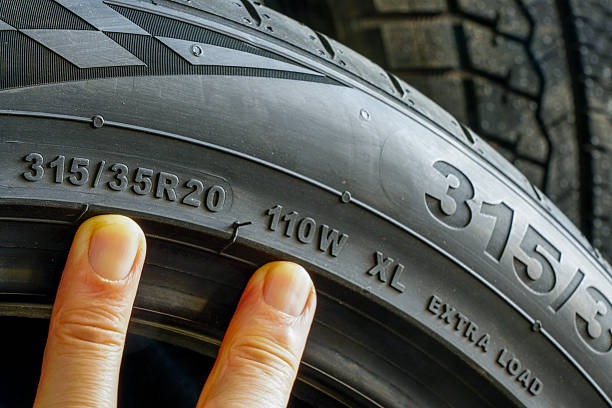
The speed rating normally appears toward the end of a tyre’s main size designation. For example, a tyre might display a marking such as 205/55 R16 91V. In this example, the final letter, “V”, represents the speed rating.
Motorists learning about tyre speed rating should examine the complete sidewall marking rather than focusing only on the final letter. Each part communicates different information about the tyre and its specifications.
The owner’s manual or vehicle information provided by the manufacturer can help drivers identify the appropriate tyre requirements for their particular vehicle.
What Does a Speed Rating Represent?
Each speed-rating letter corresponds to a defined maximum speed capability under specified testing conditions. Common ratings for passenger vehicles can include letters such as H, V and W, although other classifications are also used.
The rating is a technical tyre specification rather than a recommended driving speed. Drivers must always follow applicable speed limits, road regulations and conditions regardless of the capability indicated on the tyre.
Speed Rating and Load Index Are Different
The tyre speed rating should not be confused with the load index. Although both markings usually appear close together, they communicate different information.
The load index is represented by a number and corresponds to the maximum load a tyre is designed to carry under specified conditions. The speed rating is represented by a letter and relates to speed capability.
Both specifications should be considered when selecting replacement tyres because matching only the physical tyre dimensions may not be sufficient.
Why the Correct Rating Matters
Vehicle manufacturers determine tyre specifications based on factors such as vehicle weight, design and expected performance characteristics. Installing tyres that do not meet the required specifications may affect their suitability for the vehicle.
When replacing tyres, motorists should check the manufacturer’s recommendations rather than selecting a different rating solely because it is cheaper or readily available.
A qualified tyre dealer can also help interpret the sidewall markings and identify suitable replacement options.
Do Higher Ratings Automatically Mean Better Tyres?
A higher speed classification does not automatically make a tyre the best option for every vehicle or driver. Tyres are designed with different characteristics, and their suitability depends on the vehicle, driving requirements and manufacturer specifications.
Other characteristics such as tyre dimensions, load capacity and intended application remain relevant. Drivers should therefore consider the complete tyre specification instead of comparing products using one rating alone.
Check All Four Tyres
When inspecting tyres, review the specifications and condition of all four rather than checking only one wheel. Previous replacements may have resulted in differences between tyres.
Drivers can also look for unusual tread wear, cracks, cuts, bulges or other visible damage during routine checks. Professional advice should be sought when tyre suitability or condition is uncertain.
Ask a Tyre Dealer When Unsure
Tyre markings contain substantial information in a compact format, so motorists may occasionally be uncertain about a particular specification. Providing the dealer with the complete sidewall code and vehicle details can make it easier to identify appropriate options.
Conclusion
A tyre speed rating identifies a tyre’s assigned maximum speed capability under specified conditions, but it should never be treated as a recommended road speed. Motorists should consider the rating together with tyre dimensions, load index and vehicle manufacturer requirements. Understanding these markings can make tyre comparisons easier and support more informed replacement decisions.