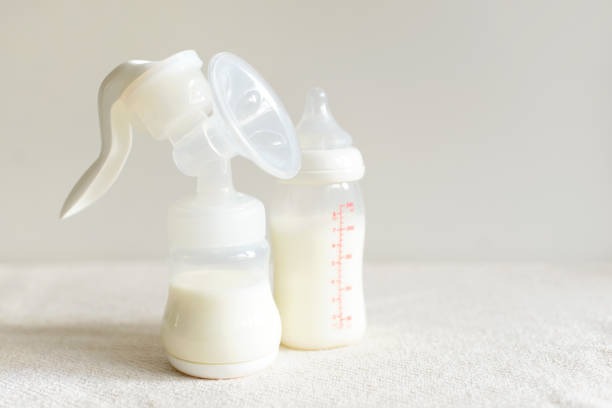
Milk Bottle: Choosing the Right Feeding Bottle for Your Baby
Milk Bottle: Choosing the Right Feeding Bottle for Your Baby
Selecting the right milk bottle is an important part of supporting your baby’s feeding routine. Whether parents are feeding expressed breast milk, infant formula, or a combination of both, a suitable bottle can provide comfort and convenience during every feed. With a wide range of bottle designs, materials, and teat options available, understanding the key features can help families make informed decisions based on their baby’s individual needs.
Choosing a feeding bottle that suits both the baby and caregiver contributes to a smoother daily routine.
What Is a Milk Bottle?
A milk bottle is a specially designed feeding bottle used to safely hold and deliver milk to babies. Modern bottles are available in various capacities, shapes, and materials, including plastic and glass, to accommodate different feeding preferences and stages of development.
Parents looking for a milk bottle can explore options designed with features such as ergonomic shapes, easy-to-clean designs, and teats available in different flow rates. Selecting the appropriate bottle helps support comfortable feeding as babies grow.
A thoughtfully designed bottle can make feeding more convenient for caregivers.
Features to Consider
When choosing a feeding bottle, several factors should be taken into account. Bottle size should match your baby’s age and feeding volume, while the teat flow rate should be appropriate for their feeding stage. The bottle’s material, shape, and ease of cleaning are also important considerations.
A milk bottle may include features that help create a comfortable feeding experience, depending on the product design. Parents can select bottles that align with their baby’s feeding habits and personal preferences while following the manufacturer’s recommendations for use.
Practical features often contribute to easier daily feeding routines.
Choosing the Right Bottle
Every baby has unique feeding preferences, so it may take some time to identify the most suitable bottle. Parents should consider bottle capacity, compatibility with feeding accessories, ease of sterilisation, and replacement availability when making their choice.
Selecting products from trusted manufacturers and using them according to the recommended care instructions helps support safe and reliable feeding. Regularly checking bottle components for signs of wear also helps maintain product performance.
Thoughtful selection can improve convenience throughout different stages of infancy.
Caring for Feeding Bottles
Proper cleaning and sterilisation are essential for maintaining bottle hygiene. Bottles and teats should be washed thoroughly after each use, sterilised as recommended, and stored in a clean environment. Routine inspection and timely replacement of worn components help ensure safe feeding.
Consistent care helps keep feeding equipment in good condition for everyday use.
Conclusion
A milk bottle is an essential feeding accessory that supports babies throughout their early feeding journey. By selecting a bottle that suits your baby’s needs, following proper cleaning practices, and replacing components when necessary, parents can establish a comfortable, hygienic, and reliable feeding routine.